AI technology, read across systems.
Huaweidata is an AI technology magazine for long-form notes on agents, software, research, infrastructure, and the institutions forming around them. The English edition is canonical; Chinese mirrors keep the same structure.
Latest Daily
All daily notes-
 Editor's Desk - Verifiable Ground
When agents start writing code, reading company context, touching databases, operating robots, and entering financial systems, acceptance has to move from fluency back into structure.
Read -
 Editor Desk · Teach Why, Not What
A scroll-driven essay on checklists, training data, audit chains, and the daily actions that all point to the same problem.
Read -
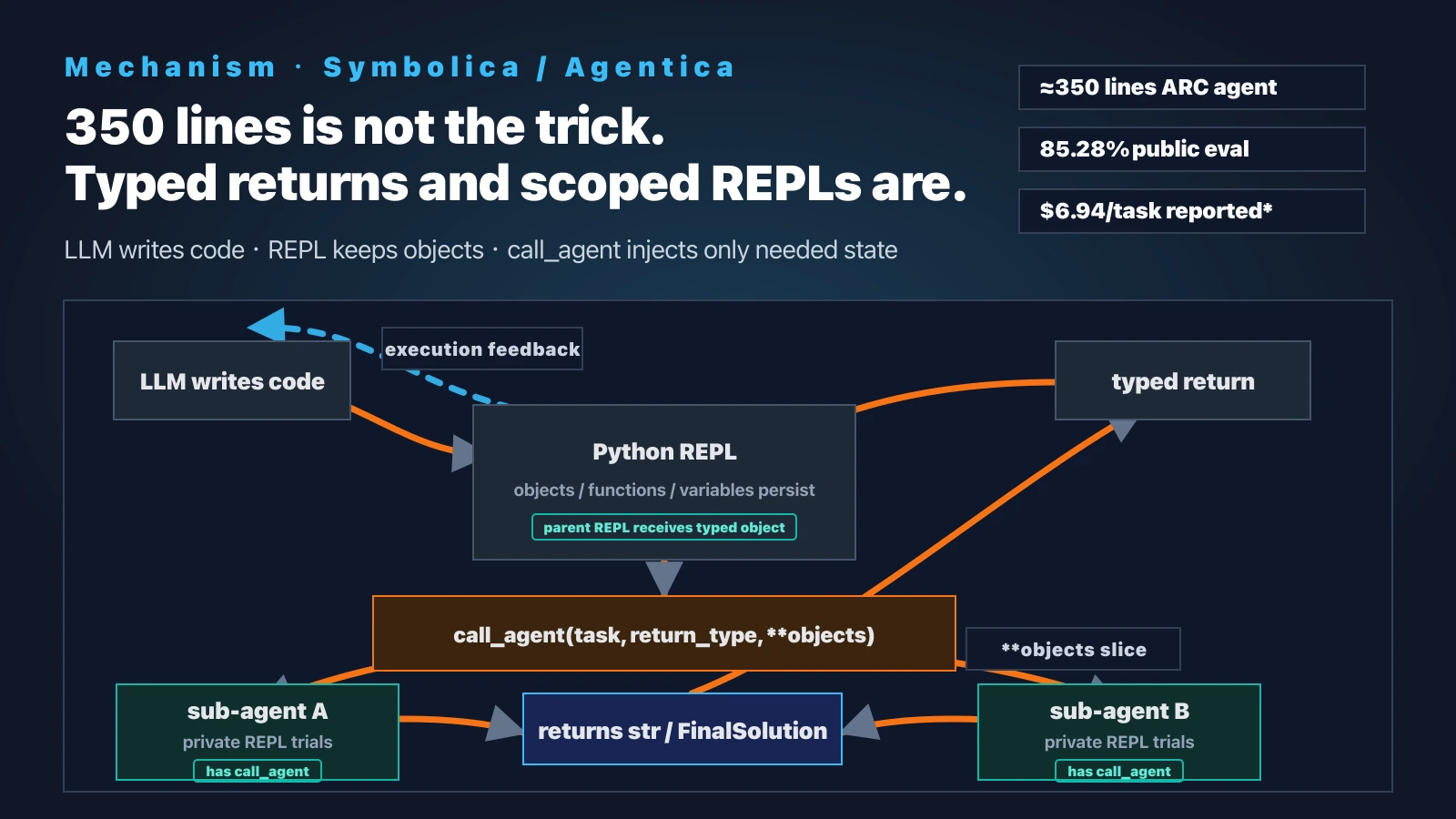 Editor's Desk · Issue 3: Make Latent Visible
A magazine letter on the week of May 12, 2026: across AI agents, perpetual futures, robotic hands, self-driving labs, cat facial mimicry, and a Colorado wet-slab avalanche, surface signals are quietly decoupling from deep structure.
Read -
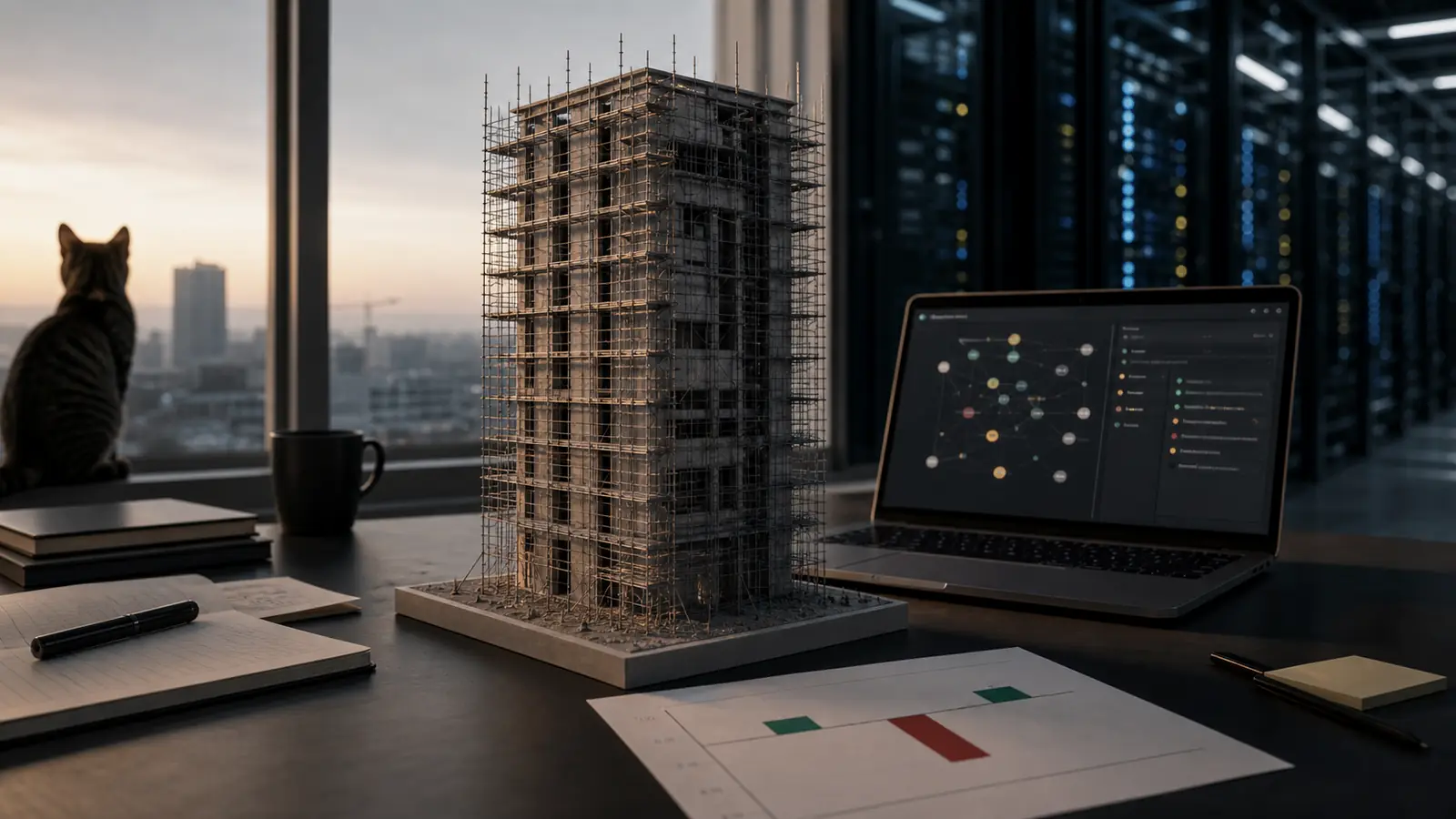 Editor's Desk · May Week 2: When Scaffolding Starts to Cost You
A magazine-style read of one strange week in tech: Anthropic ships 'how an agent audits itself' as an SDK, Karpathy's own coding guide quietly makes Claude Code worse, the academic line on rubric verifiers, and a two-month-old kitten that just rewrote 70 years of cat archaeology.
Read
Latest Column
All columns-
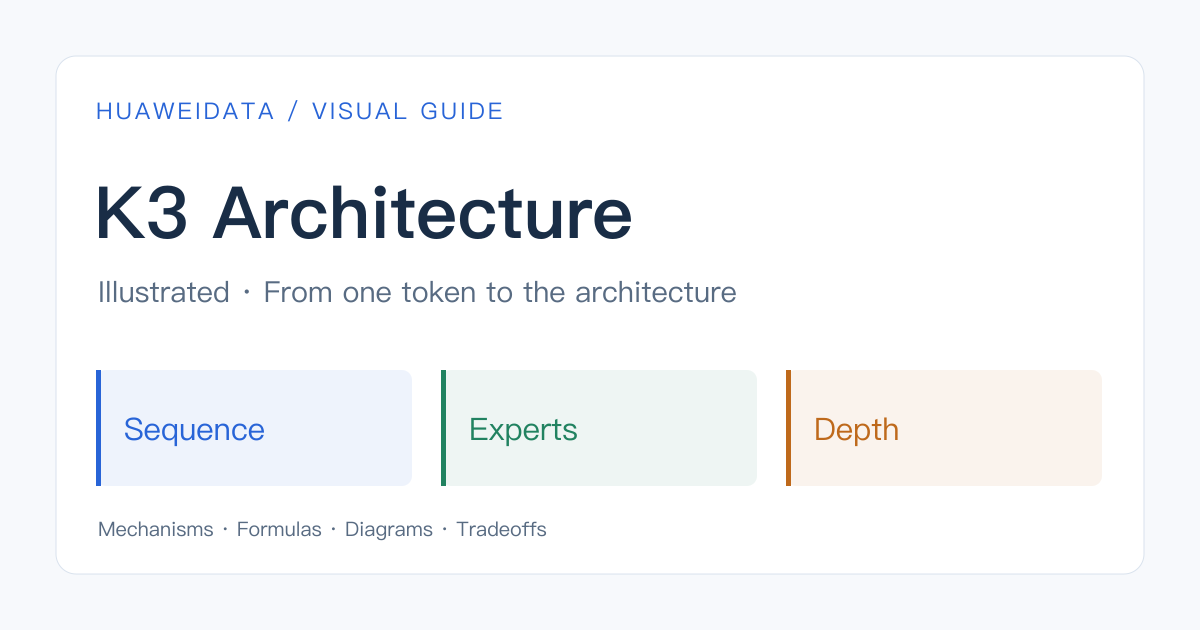 K3 Architecture Illustrated
Understand K3's experts, attention, and depth-wise information flow through the computation of a single token: illustrated chapters, derivations, numerical examples, and resource tradeoffs.
Read -
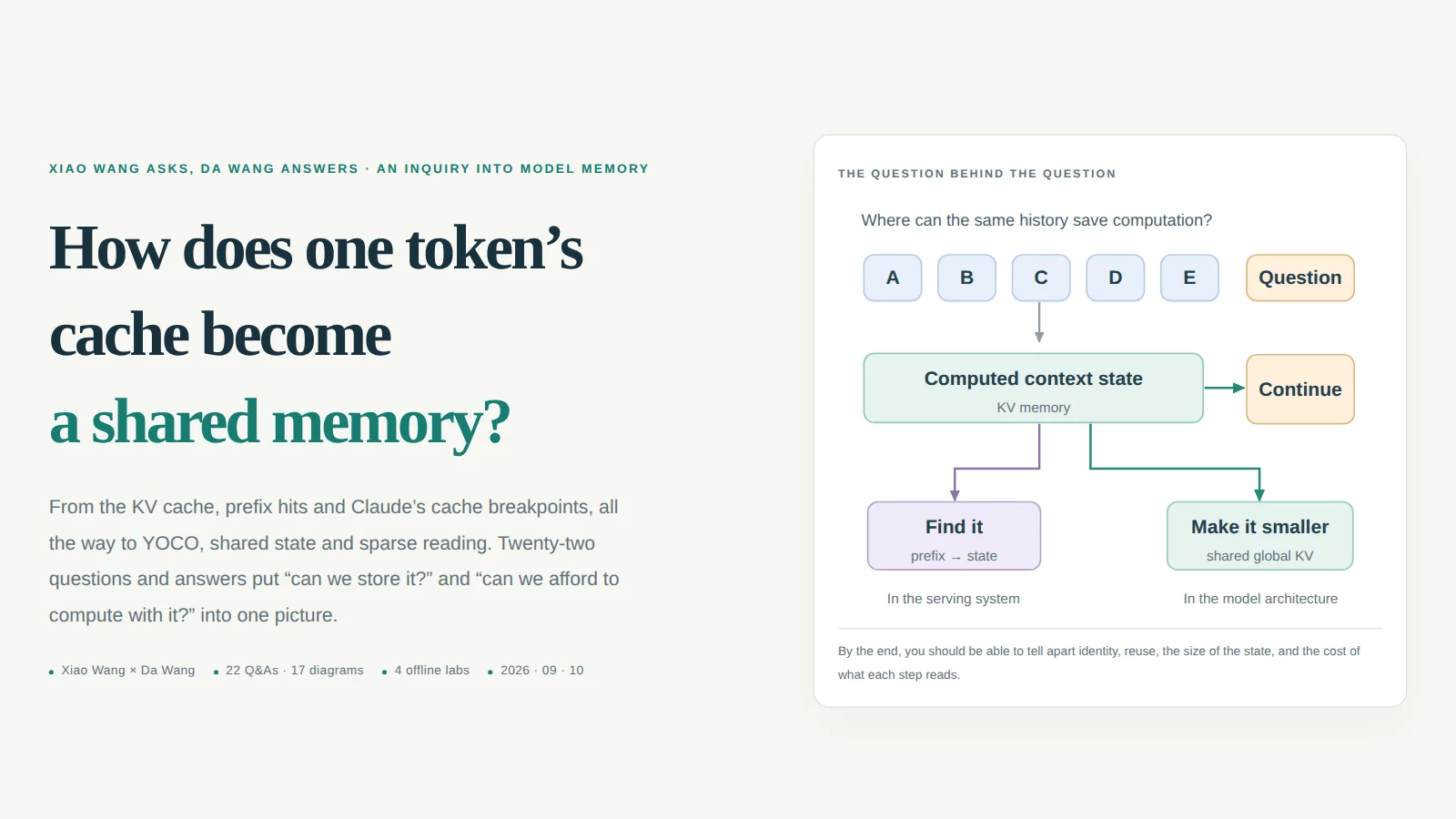 Xiao Wang Asks, Da Wang Answers: From KV Cache to YOCO and Shared Memory
22 questions and answers between Xiao Wang and Da Wang, with diagrams: the KV cache, chained hashes, Claude’s cache breakpoints, DeepSeek’s persistence, YOCO’s shared memory, an 890-byte conditional ledger, approximate restoration, sparse retrieval and Engram. 17 mechanism diagrams and 4 offline interactive labs.
Read -
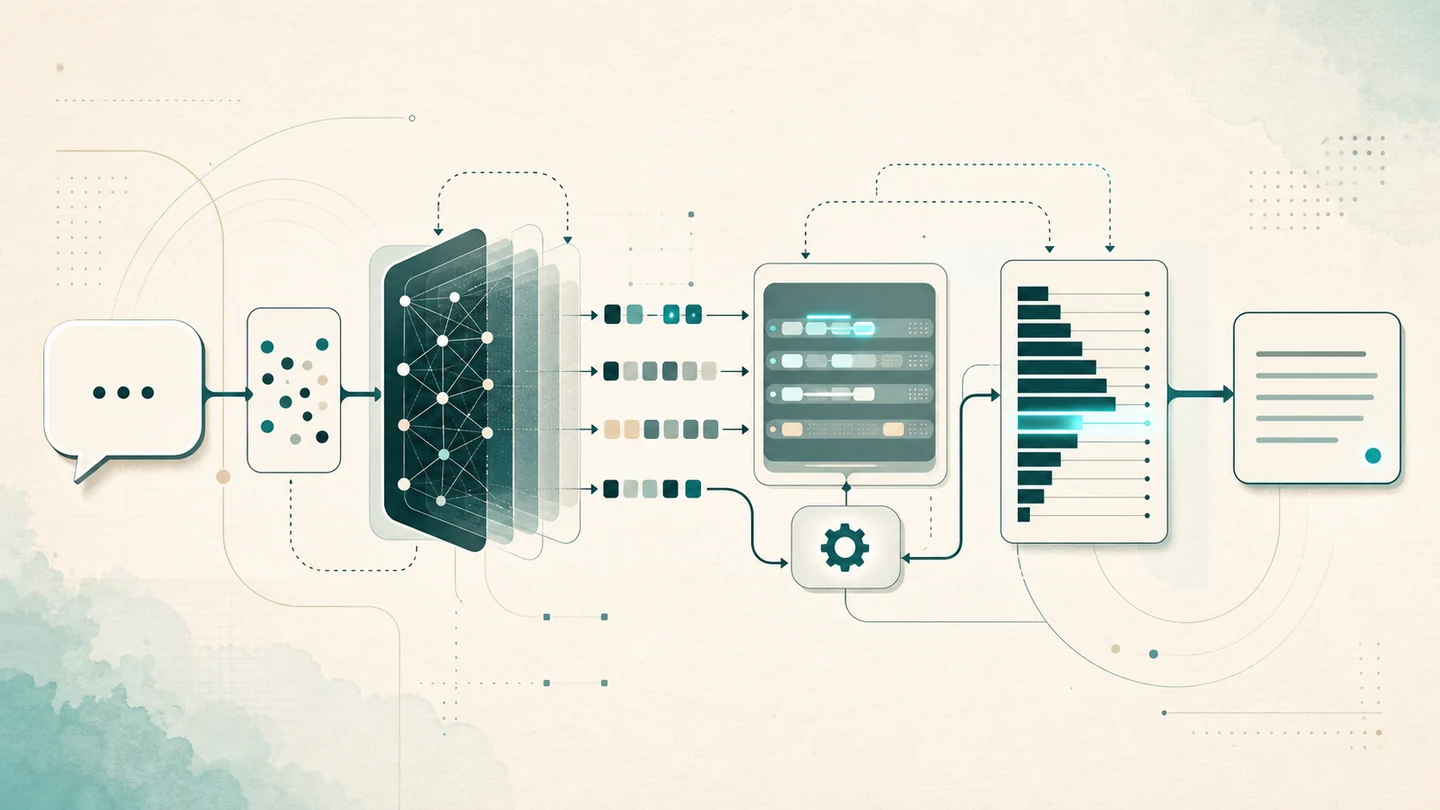 A Question's Journey - LLM from Input to Output
A full mechanism timeline from one prompt through context, tokenization, Transformer internals, generation, tool calls, sampling, latency, and reasoning budget.
Read